
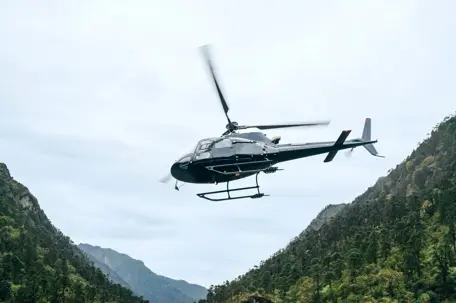
Helicopter tours promise unforgettable views of cities, coastlines, and canyons from high above. For most passengers, the flight ends with photos and good memories. But for too many families, a tour ends in tragedy. Despite decades of warnings from safety investigators, tour helicopter accidents keep happening, and the reasons are often preventable.
If you or someone you love was hurt in a helicopter crash, you do not have to face this alone. Contact our team online or call (877) 749-4999 today to talk through your options with care and no pressure.
A Pattern That Keeps Repeating
Tour helicopters fly the same routes, over the same landmarks, often in the same aircraft for years at a time. This repetition can breed comfort, and comfort can lead to shortcuts. Federal investigators have studied helicopter accidents for years and keep finding the same problems again and again.
According to the National Transportation Safety Board (NTSB), a few issues show up most often in fatal helicopter accidents:
- Loss of control during flight
- Flying too low and striking objects like wires, towers, or terrain
- Continuing to fly into poor weather without the training or tools to handle it
- Mechanical failures that go unnoticed until it is too late
Each of these causes points to a larger truth. Tour helicopter accidents rarely happen because of one single mistake. They happen because of small gaps, in training, maintenance, or oversight, that add up.
Pilot Decisions Made Under Pressure
Pilots are trained professionals, but they are still human. Tour schedules can create pressure to keep flying even when conditions are not ideal. A pilot may feel that turning back or canceling a flight will disappoint passengers or cost the company money.
Weather is one of the biggest challenges. Many tour pilots fly under visual rules, meaning they need to see clearly outside the aircraft at all times. When fog, haze, or low clouds roll in, a pilot who continues flying can quickly lose sight of the horizon. This can cause spatial disorientation, where a pilot loses track of which way is up. The NTSB has linked this exact chain of events to numerous fatal tour crashes.
Fatigue plays a role as well. Pilots flying back-to-back tours all day may not get enough rest between shifts. Tired pilots are slower to notice warning signs and slower to react when something goes wrong.
Mechanical Problems and Aging Aircraft
Not every accident comes down to pilot decisions. Some tour helicopters are older aircraft that have logged thousands of flight hours giving rides to tourists. Parts wear down. Inspections can miss small cracks or stress points that later cause serious failures.
In one widely reported 2025 accident, a sightseeing helicopter over the Hudson River suffered a tail boom failure that caused the aircraft to break apart in flight. Investigators are still working to understand exactly why the failure happened, but the case is a reminder that mechanical problems can strike suddenly and without warning, even on a routine flight.
Gaps in Oversight and Safety Standards
One of the most frustrating truths about tour helicopter accidents is that many were preventable with stronger safety standards. Short sightseeing flights that stay within 25 miles of the airport where they started often operate under lighter federal oversight than other commercial flights. This means some tour operators face fewer safety requirements than passengers might expect.
The NTSB has spent years asking the Federal Aviation Administration (FAA) to close these gaps. Recommendations have included:
- Requiring onboard flight data and video recorders so investigators can understand exactly what happened during an accident
- Improving weather reporting tools in areas where tours commonly fly, such as Hawaii
- Creating clearer, more consistent safety training standards for all tour pilots
Progress has been slow. Investigators have noted that delays in adopting these changes have contributed to accidents that might otherwise have been prevented.
Flying Low Leaves Little Room for Error
Tour helicopters often fly lower and slower than other aircraft so passengers can get a better view. This is part of what makes the experience exciting, but it also removes a critical safety cushion. At higher altitudes, a pilot often has time and space to recover from an unexpected problem. Close to the ground or water, there is very little margin for error.
Flying low near mountains, bridges, or city buildings also increases the risk of striking an obstacle that may be hard to see, especially in changing light or weather. When something does go wrong at low altitude, there is often no time to correct course before impact.
What This Means for Victims and Families
If you have lived through a helicopter crash or lost someone you love in one, you may be dealing with injuries, grief, and a long list of unanswered questions all at once. Understanding why these accidents happen will not undo the harm, but it can help you make sense of what occurred and who may be responsible.
You should not have to sort through safety standards, maintenance records, or insurance company pressure on your own while also trying to heal. You deserve support from people who understand both the emotional weight of this moment and the technical details behind it.
You Do Not Have to Navigate This Alone
Every helicopter tour accident leaves behind real people who are hurting, passengers, crew members, and the families who love them. Robb & Robb is here to help you understand what happened and what your next steps could look like, with the compassion this moment calls for.
If you are ready to talk, reach out through our contact form or call (877) 749-4999. Our team is ready to listen and help you find a path forward.